
Peak Noise Assessment
LCpeak
C-weighted peak
135 / 137 dB(C)
Action values
140 dB(C)
Limit value
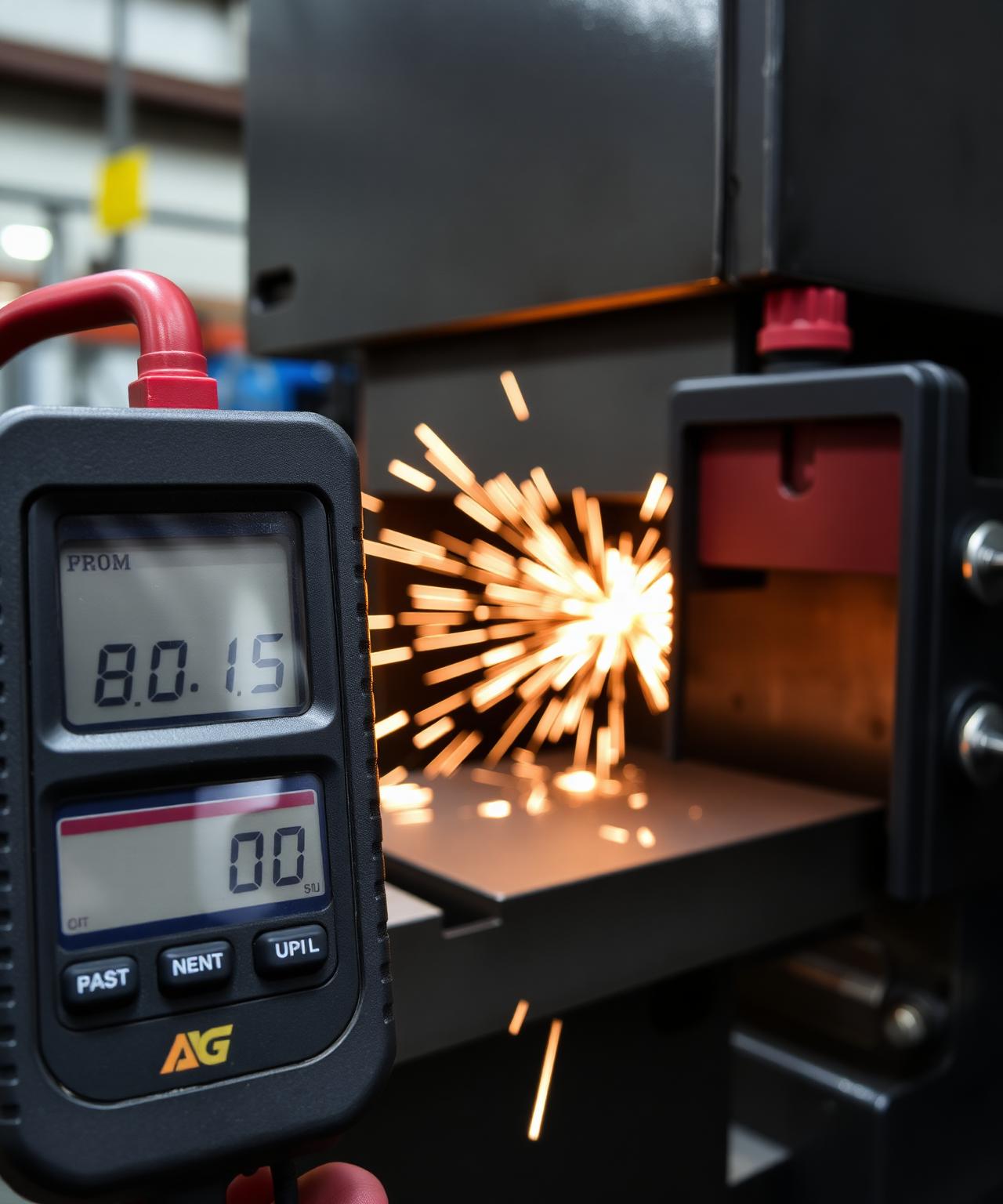
Peak noise measurement
Impact · impulsive events
What it is
Peak noise as a distinct hazard
Peak noise is not just 'a loud part of LEX,8h'. It is a separate hazard in its own right, with its own measurement metric (LCpeak) and its own action and limit values. A high peak event can cause acute hearing damage at instants where time-averaged exposure tells you nothing.
This service complements broader workplace noise surveys and machinery noise surveys, and is commissioned where peak exposure is the central question.
Thresholds
Peak action and limit values
Lower peak action value
135 dB(C) — triggers information, training and provision of hearing protection.
Upper peak action value
137 dB(C) — triggers mandatory hearing protection, zone management and control.
Peak limit value
140 dB(C) — must not be exceeded under hearing protection; immediate action where exceeded.
Sources
Common peak-noise sources
- Metal stamping and forming
- Pressing, forging and riveting
- Pneumatic discharge and ejection
- Breaking and demolition
- Drop testing and impact testing
- Cartridge-actuated tools
- Firearms training
- Heavy material handling impacts
Measurement
Measurement approach
- Class 1 sound-level meter with peak capability
- Operator-position measurement
- Capture of multiple representative events
- Recording of operating conditions
- Calibration before and after
- Where appropriate, dosimetry with peak logging
Process
How the assessment runs
- 1
Scoping
Identification of tasks suspected of generating high peak exposure and the workers performing them.
- 2
On-site capture
Calibrated measurement of representative peak events at operator positions across normal operating conditions.
- 3
Analysis
Per-task and per-operator LCpeak; comparison with the three thresholds.
- 4
PPE adequacy
Hearing protection assessed specifically against peak exposure, not just against LEX,8h.
- 5
Reporting
Decision-ready report with peak values, dominant sources, control opportunities and PPE conclusions.
Controls
Peak-noise control opportunities
- Quieter substitution of impact processes
- Damping of struck surfaces
- Enclosure of impact stations
- Acoustic curtains around discharge zones
- Pneumatic-discharge silencers
- Operator distance and remote operation
- Workpiece handling redesign
Reporting
Reporting outputs
- Method and instrumentation statement
- Per-task / per-operator LCpeak
- Comparison with action and limit values
- Dominant peak source narrative
- Hearing protection adequacy against peak
- Prioritised control recommendations
Triggers
When to commission a peak assessment
- Impact, stamping or pressing processes
- Reports of acute hearing symptoms
- Compressed-air discharge concerns
- New impact-process commissioning
- Following a complaint or incident
- Verification after acoustic treatment
FAQ
Peak noise assessment — frequently asked questions
What is peak noise?+
Peak noise refers to the very short, high-energy pressure events that occur during impact, stamping, percussion, gunshot-like discharges and similar tasks. It is reported as LCpeak — the peak C-weighted sound pressure — and is assessed separately from the time-averaged LEX,8h.
Why is peak noise assessed separately?+
Because high peak events can cause immediate, acute hearing damage even when overall daily exposure is moderate. The Control of Noise at Work Regulations 2005 set explicit peak action values (135 dB(C) and 137 dB(C)) and a peak limit value (140 dB(C)) that apply regardless of LEX,8h.
Which tasks typically generate peak exposure?+
Metal stamping and forming, pressing and forging, riveting, breaking and demolition work, drop testing, pneumatic discharge, cartridge tools, firearms training, automotive crash testing and any impact-driven processing.
How is peak measured?+
With a Class 1 sound-level meter with C-weighted peak capability, sampling fast enough to capture transient events. Measurement positions reflect operator exposure, with multiple events captured to ensure representativeness.
What does the report deliver?+
Per-task and per-operator LCpeak values, comparison with the action and limit values, identification of dominant peak sources, control recommendations and confirmation of hearing protection adequacy specifically against peak exposure.
How is this different from a workplace noise survey?+
A workplace noise survey covers both time-averaged exposure and peak. Peak noise assessment is the focused service when peak is the central concern — particularly where time-averaged exposure looks moderate but specific tasks generate high-energy events.