
Hearing Protection Selection Guide
How to choose workplace hearing protection using measured exposure, attenuation methods, task requirements, fit and PPE compatibility — and why both underprotection and overprotection should be avoided.
Category
Hearing protection
Audience
Employers & SHEQ
Scope
UK workplace PPE
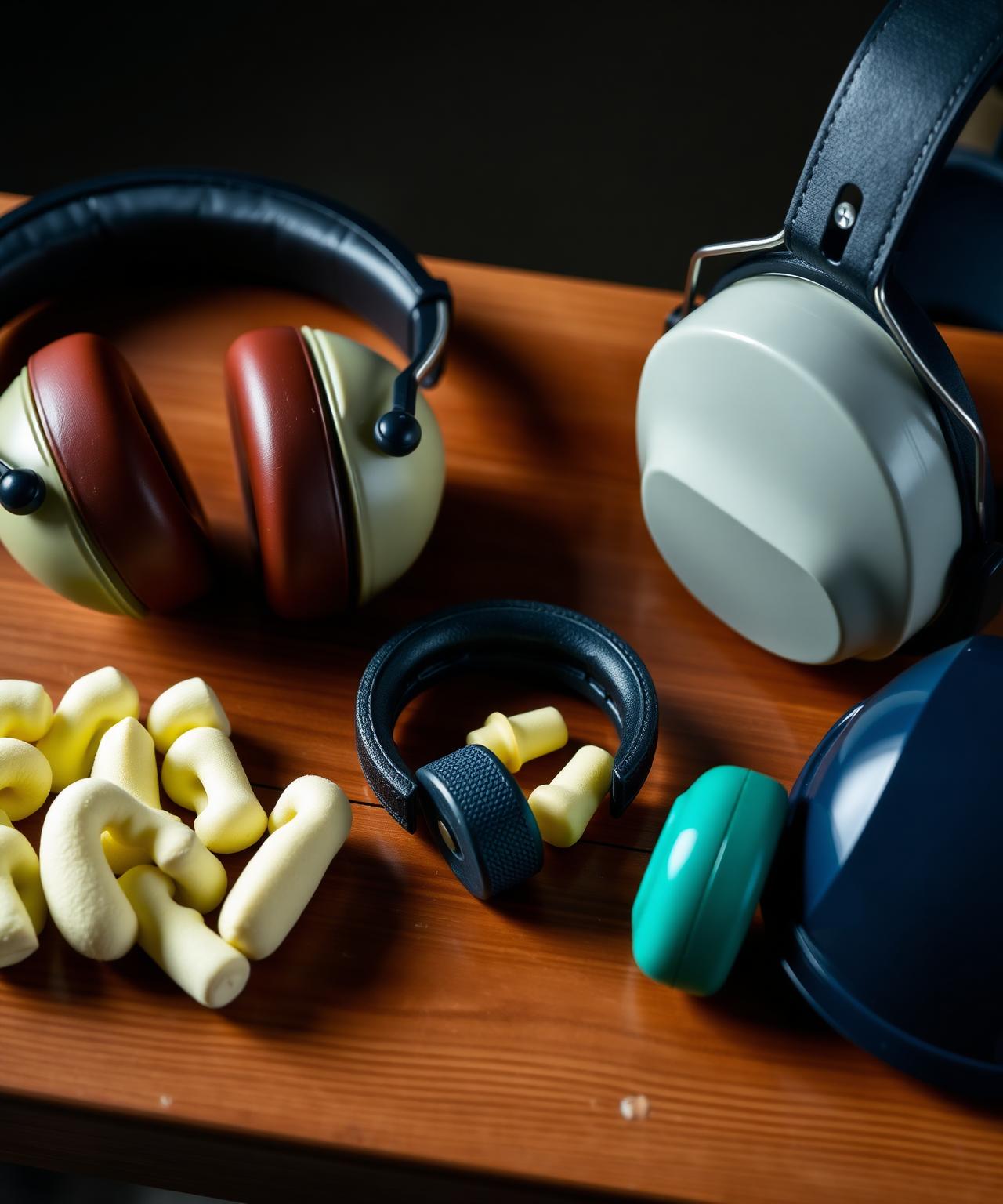
Workplace hearing protection
Selection · attenuation · fit · use
Quick summary
- Selection is led by measured workplace exposure, not assumption.
- Hearing protection is residual control, not a replacement for source action.
- Overprotection reduces communication, awareness and real-world wear time.
- Fit and consistent use determine real attenuation.
- SNR, HML and octave-band methods each have appropriate uses.
- Compatibility with helmets, glasses and other PPE must be checked.
Why exposure-led
Why selection must be exposure-led
Hearing protection cannot be chosen sensibly without knowing the exposure it is meant to address. Selection driven by catalogue, comfort or habit alone risks providing too little or too much attenuation. Reliable selection starts from representative workplace measurement and a clear picture of the tasks involved.
Hierarchy of control
Hearing protection within the hierarchy of control
The Control of Noise at Work Regulations 2005 expect employers to reduce noise so far as reasonably practicable using elimination, substitution, engineering and organisational controls before relying on personal protective equipment. Hearing protection is a residual control that addresses what remains after the noise itself has been reduced — not a substitute for source action.
- Eliminate the noise source where reasonably practicable.
- Substitute quieter machinery, tools or processes.
- Apply engineering controls at source or along the path.
- Apply organisational controls to reduce exposure time.
- Provide hearing protection for residual exposure.
When required
When hearing protection may be required
- Exposure reaches the lower action value (80 dB(A) LEX,8h) — protection on request.
- Exposure reaches the upper action value (85 dB(A) LEX,8h) — protection required, zones in place.
- Peak exposure approaches or exceeds the peak action values.
- Residual exposure remains after reasonably practicable controls.
- Short-duration high-noise tasks during otherwise quieter work.
SNR
Understanding SNR
The Single Number Rating provides a convenient laboratory-derived headline attenuation. It is useful for shortlisting but does not describe the spectrum of the noise being protected against. Where noise is unusually low- or high-frequency, SNR alone can be misleading and HML or octave-band selection should be considered.
HML method
Understanding H, M and L values
H, M and L values describe attenuation across high, medium and low frequency bands. The HML method gives a better picture than SNR alone where the noise spectrum is well characterised, which is common in production environments with dominant machinery tones or impact processes.
Octave band
Octave-band selection
Octave-band selection uses measured noise spectrum at the workstation alongside protector octave-band attenuation data. It is the most representative of the three approaches and is typically used where SNR or HML produce inconsistent or implausible results, or where dual protection is being considered.
Laboratory vs workplace
Laboratory attenuation versus workplace performance
Reported attenuation is measured under controlled laboratory conditions with trained fitters. Real-world workplace attenuation is typically lower because of imperfect fit, removal during exposure, PPE interaction and product wear. Sensible selection allows for this difference rather than treating the rated value as the value actually achieved.
Underprotection
Underprotection
Underprotection leaves the worker above the limit value at the ear. It typically arises from selecting on price or comfort alone, ignoring noise spectrum, poor fit, removal during exposure or underestimating actual exposure. The result is continued hearing risk despite hearing protection being issued.
Overprotection
Overprotection
Overprotection provides more attenuation than the exposure justifies and is generally taken to mean pushing the level at the ear well below 70 dB(A). It impairs communication, alarm audibility and team coordination, increases removal during exposure and can reduce overall real-world protection.
Ear plugs
Ear plugs
Suited to full-shift wear in stable conditions, helmet-heavy roles and confined environments where defenders are impractical.
Strengths
- Compact and compatible with helmets and headgear.
- Effective once correctly fitted.
- Suit hot, humid or confined environments.
- Suit full-shift wear in stable conditions.
Considerations
- Sensitive to insertion technique.
- Hygiene considerations with frequent insertion.
- Harder to verify fit at a glance.
Ear defenders
Ear defenders
Suited to intermittent exposure, shared workstations and tasks where rapid don/doff matters.
Strengths
- Quick to put on and remove.
- Easier to verify correct positioning.
- Suit intermittent exposure and shared workstations.
Considerations
- Bulkier with headgear and confined spaces.
- Cushion seal degrades with age and contact with PPE.
- Can be uncomfortable during long, hot shifts.
Helmet-mounted
Helmet-mounted defenders
Defenders mounted on hard-hat brackets simplify combined head and hearing protection on construction and plant sites. Cushion seal and arm tension need particular attention because helmet wear, glasses and hoods can compromise fit and reduce attenuation.
Dual protection
Dual protection
Wearing plugs and defenders together is a selective strategy for very high exposure. The combined attenuation is estimated using accepted conventions rather than added. Communication and signal audibility require particular attention, and dual protection should be specified rather than assumed by individual workers.
PPE compatibility
PPE compatibility
- Hard hats and helmet-mounted defender brackets.
- Safety glasses and goggles — temple compression.
- Respirators, hoods and welding visors.
- Hi-vis clothing and collar arrangements.
- Communication headsets and two-way radios.
Communication
Communication and alarm audibility
Hearing protection must not compromise the worker’s ability to hear warning signals or required spoken communication.
- Audibility of warning signals and alarms.
- Spoken instruction and team communication.
- Reversing alarms and forklift signals.
- Telephone and radio communication.
- Detection of machinery condition changes.
Fit
Fit and individual variation
Real-world attenuation depends on individual fit. The same product can perform very differently between workers.
- Individual ear canal size and shape.
- Insertion depth and seal for plugs.
- Headband tension and cushion condition for defenders.
- Interaction with hair, hats and glasses.
- Training in correct use and self-checking.
Fit testing
Fit testing
Fit testing measures the attenuation a specific protector delivers on a specific worker. It is useful where exposure is marginal, where audiometry suggests early change, or where selection is being verified across a workforce. Fit testing supports rather than replaces overall selection.
Comfort
Comfort and user acceptance
Comfort drives wear time and wear time drives real protection. A protector that is taken off because it is uncomfortable provides no attenuation during removal periods. Trials with representative workers, paired with training, help match the chosen product to the workforce.
Hygiene
Hygiene
- Clean hands before inserting reusable plugs.
- Replace disposable plugs at appropriate intervals.
- Inspect and clean defender cushions regularly.
- Store protection in clean, labelled containers.
- Replace damaged cushions, headbands or plugs.
Inspection
Inspection and replacement
Cushion seals harden, headband tension fades and reusable plugs deform over time. Periodic inspection and timely replacement protect the attenuation the selection was based on.
Zones
Hearing protection zones
Where exposure reaches the upper action value, hearing protection zones should be defined, signed and controlled so that everyone entering the area uses suitable protection. Zones complement selection by making the requirement visible and consistent.
Training
Training and supervision
Workers need information, instruction and training on why protection is provided, how to fit and inspect it correctly, the limits of attenuation and the importance of consistent use. Supervision reinforces correct use day to day.
Mistakes
Common selection mistakes
- Selecting the highest available SNR by default.
- Selecting on price or comfort alone.
- Adding plug and defender attenuation values together.
- Ignoring spectrum shape of the actual noise.
- Not training workers in correct fit and use.
- Allowing wear with broken or worn-out cushions.
- Treating hearing protection as a substitute for source control.
- Not reviewing selection when exposure or workforce changes.
Workflow
Practical selection workflow
- 1Confirm measured exposure and spectrum where available.
- 2Identify communication, signal and PPE requirements.
- 3Shortlist protector types appropriate to task and wear time.
- 4Estimate attenuation by SNR, HML or octave-band as appropriate.
- 5Check level at the ear is within a sensible protected range.
- 6Confirm compatibility with other PPE.
- 7Trial with representative workers; gather feedback.
- 8Provide training in correct fit, inspection and care.
- 9Document selection rationale in the risk assessment.
- 10Review periodically and after change.
How we help
How Workplace Noise Surveys can help
Hearing protection assessment
Selection, attenuation review, PPE compatibility and fit support.
Visit pageNoise exposure assessment
LEX,8h and peak interpretation against UK action values.
Visit pagePersonal noise dosimetry
Worker-worn monitoring for mobile and multi-task roles.
Visit pageWorkplace noise surveys
Site-wide UK workplace noise surveys and reporting.
Visit pageNoise at Work Regulations
UK regulatory overview and employer duties.
Visit pageRelated guidance and services
Related guidance and services
Article disclaimer
This article provides general UK workplace guidance on selecting hearing protection. It is not legal or medical advice and does not endorse specific brands or products. Site-specific selection should be based on measured exposure and a competent assessment of the actual workplace and workforce.
Frequently asked questions
Frequently asked questions
How is workplace hearing protection selected?
Selection is led by measured exposure. The objective is to bring the level at the ear into a sensible protected range — not the lowest possible level — while keeping the protection compatible with the task, communication needs and other PPE. SNR, HML or octave-band methods are used to estimate attenuation against the noise actually present at the workstation.
What is SNR for hearing protection?
SNR (Single Number Rating) is a laboratory-derived value expressing the average attenuation of a hearing protector across a defined frequency range. It is convenient for initial screening but does not capture spectrum shape or real-world fit. SNR alone should not drive selection where the noise is unusually low- or high-frequency, or where dual protection is being considered.
What are H, M and L values?
H, M and L are octave-grouped attenuation values (High, Medium, Low frequencies) reported on hearing protection labelling. The HML method gives a better picture than SNR alone where noise is dominated by particular frequency bands, and it underpins more representative selection for industrial machinery and impact processes.
Are ear plugs or ear defenders better?
Neither is universally better. Ear plugs suit hot, confined or helmet-heavy work and full-shift wear once correctly fitted. Ear defenders suit intermittent exposure, shared workstations and roles where insertion hygiene is hard to maintain. Selection depends on the task, the worker, comfort and the attenuation required.
Does the highest SNR always provide the best protection?
No. Selecting the highest available SNR can lead to overprotection, which impairs communication, alarm audibility and situational awareness, and increases the chance that workers remove the protection during exposure. A protector that is worn correctly for the full exposure period normally beats one with higher rated attenuation that is removed.
What is overprotection?
Overprotection is providing more attenuation than the exposure justifies, typically pushing the level at the ear well below 70 dB(A). It commonly leads to communication and warning-signal issues, removal during exposure and reduced overall protection. Effective selection aims for a sensible protected level appropriate to the task.
What is underprotection?
Underprotection is providing too little attenuation for the actual exposure, leaving the worker above the limit value at the ear. It can result from selecting on price or comfort alone, poor fit, removal during exposure or noise that is more intense than assumed. Reliable selection starts from measured exposure, not assumption.
Does hearing protection replace engineering controls?
No. The Control of Noise at Work Regulations 2005 require employers to reduce noise so far as reasonably practicable using engineering and organisational controls before relying on hearing protection. Protection is a residual control that complements, rather than replaces, source-based action.
Why does fit matter so much?
Real-world attenuation depends heavily on fit. Insert plugs that are not fully inserted, defenders pressed against safety glasses or hard hats, and headbands worn over hoods can lose substantial attenuation. Fit testing and training in correct use are key to closing the gap between laboratory and workplace performance.
What is dual protection?
Dual protection is wearing ear plugs and ear defenders together for very high exposure. It does not double rated attenuation; the combined performance is typically estimated using accepted conventions rather than added. It is used selectively, with attention to communication and signal audibility.
How often should hearing protection be reviewed?
Hearing protection should be reviewed when exposure, machinery, tasks, PPE or workforce change, when audiometry suggests early hearing change, and as part of the wider noise risk assessment cycle. Periodic checks of condition, fit, training and use also support reliable performance over time.
Can hearing protection be worn over hearing aids?
This is a clinical and PPE-fit question rather than a generic one. Specialist advice should be sought because protector type, attenuation, fit and the worker's individual hearing needs all interact. Workers wearing hearing aids should be supported through occupational health alongside the noise programme.
Site-specific support
Need Help Selecting Workplace Hearing Protection?
Independent UK occupational noise specialists. Selection review, attenuation interpretation, PPE compatibility and fit support — arranged around your workforce and exposure.