
Noise-Induced Hearing Loss Prevention
Preventable
But irreversible
Early warning
Audiometry & exposure
Prioritised action
Workforce-wide
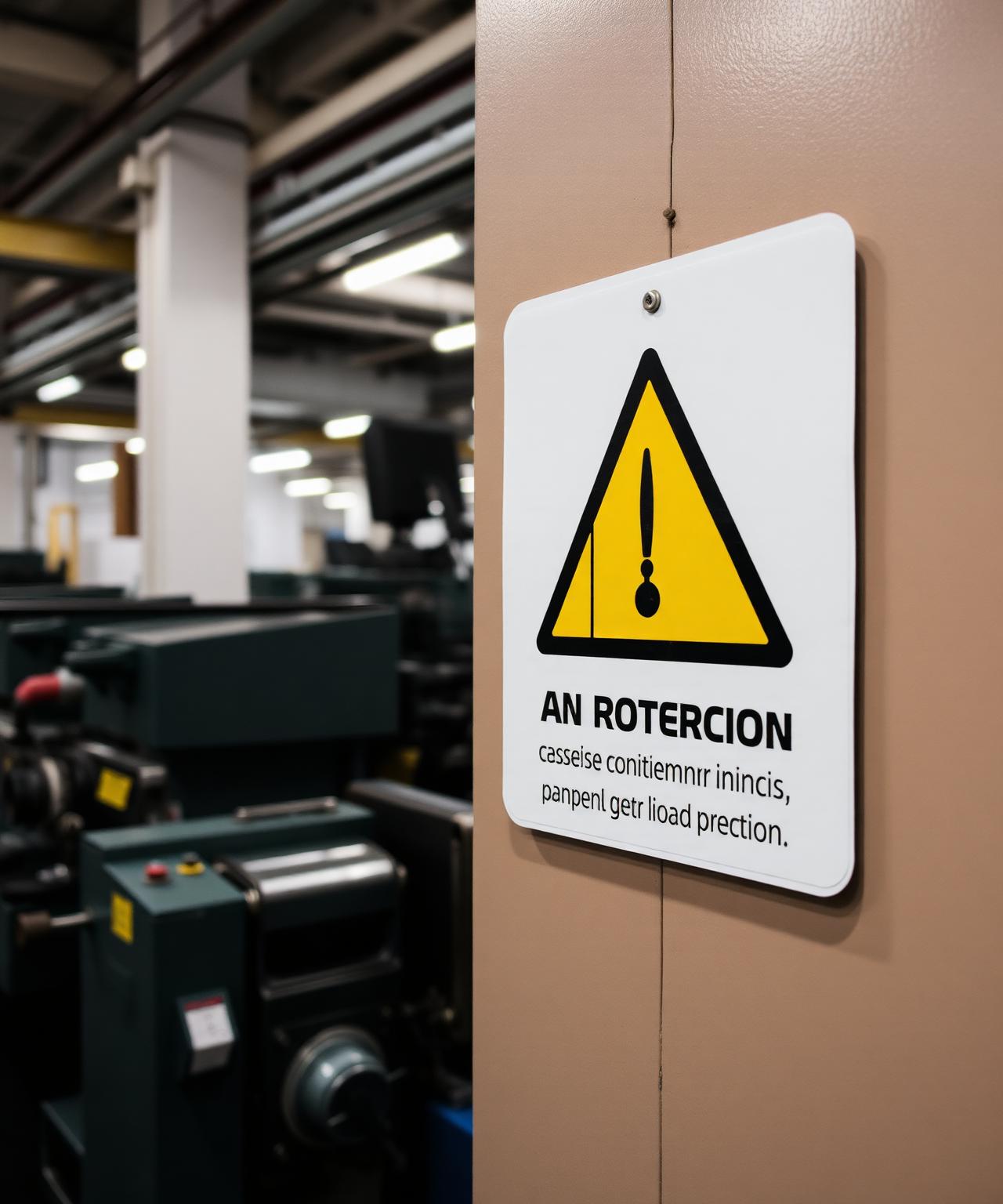
NIHL prevention
Workforce hearing-risk service
Why it matters
Hearing damage is preventable but irreversible
Noise-induced hearing loss is one of the most common, most costly, and most preventable occupational diseases in UK industry. It develops invisibly over years of exposure, and by the time it becomes obvious to the affected worker, much of the damage is permanent.
This service focuses on practical workplace prevention. For the educational background to NIHL — mechanisms, symptoms, tinnitus risk — see our Noise-Induced Hearing Loss Explained guide.
Exposure risk
Exposure profiles linked to NIHL
- Long-shift exposure above the upper action value
- Variable exposure across mixed tasks
- Repeated high-peak events (LCpeak)
- Impulse and impact noise
- Compressed-air discharge and clearance
- Power-tool exposure with poor PPE compliance
- High-energy maintenance interventions
- Hot-work environments where PPE is removed
Early warning
Indicators that NIHL risk is real
- Workers shouting to be heard at arm's length
- Tinnitus reported after shifts
- Audiometry showing 4 kHz notch
- Cumulative hearing protection non-compliance
- Damaged or removed hearing protection
- Repeated peak-noise tasks unprotected
- PPE selected without attenuation review
- No or unreliable exposure data
Service approach
How a hearing-risk review is delivered
- 1
Exposure baseline
Confirm LEX,8h and LCpeak by similar exposure group with current measurements where data is stale.
- 2
Hearing protection adequacy
Selection, fit and PPE compatibility reviewed against actual measured exposure, not assumed values.
- 3
Workforce observation
Time spent on-site observing PPE use, supervisor behaviour and the practical reality of zone management.
- 4
Surveillance coordination
Liaison with the occupational health provider on audiometric findings, follow-up criteria and flagging of trends.
- 5
Prioritised action plan
A short list of interventions with the largest preventive value for the workforce, sequenced for delivery.
Controls
Controls that genuinely reduce NIHL risk
Hearing protection is a control of last resort — see noise control measures and hearing protection assessment.
- Substitution of quieter equipment
- Engineering control at source
- Vibration isolation and damping
- Acoustic enclosure and screens
- Operator positioning and remote control
- Task rotation to reduce duration
- Reliable hearing protection programme
- Active supervision of zones
Workforce
Who is most at risk
- Long-service production operators
- Maintenance and setters
- Welders and grinders
- Press and stamping operators
- Construction power-tool users
- Drivers of heavy plant
- Forge and foundry workers
- Process-utility operators
Outputs
What the review delivers
- Exposure summary per SEG
- Hearing protection adequacy report
- PPE behaviour and zone observations
- Surveillance integration recommendations
- Prioritised prevention action plan
- Briefing pack for supervisors
FAQ
Noise-induced hearing loss — frequently asked questions
What is noise-induced hearing loss?+
Noise-induced hearing loss (NIHL) is permanent, sensorineural hearing damage caused by exposure to harmful sound. It typically develops gradually over years of exposure but can also be caused by single high-energy events. It is preventable but irreversible once it has occurred.
How does this page differ from your guide article?+
This page is the commercial workplace-risk service: practical prevention, exposure characterisation, hearing protection adequacy and surveillance coordination. The accompanying guide article is broader educational content explaining the condition itself. The two are designed to be used together.
Which workers are at greatest risk?+
Workers in manufacturing, fabrication, engineering, construction, plant rooms, foundries, woodworking, mineral processing, metal stamping and similar environments. Risk is highest where exposure is regular, where peak events occur or where hearing protection is inconsistently used.
What service is offered here?+
A focused workplace hearing-risk service: exposure characterisation against the action values, hearing protection adequacy review, identification of early-warning indicators, surveillance coordination, and a prioritised set of controls to prevent further hearing damage in the workforce.
Can existing hearing loss be reversed?+
No. Once NIHL has occurred it cannot be reversed. The aim of workplace prevention is to stop further damage occurring in affected workers and to prevent new cases in the wider workforce.
How is risk identified before damage occurs?+
Through measured exposure (LEX,8h and LCpeak), hearing protection adequacy review, observed PPE behaviour, supervisor reporting and — most importantly — audiometric surveillance which can identify hearing changes years before they would become subjectively obvious.