
Environmental Noise Surveys
Receptor-led
Sensitive locations
Day · Eve · Night
Period-by-period
Decision-ready
Planning & permits
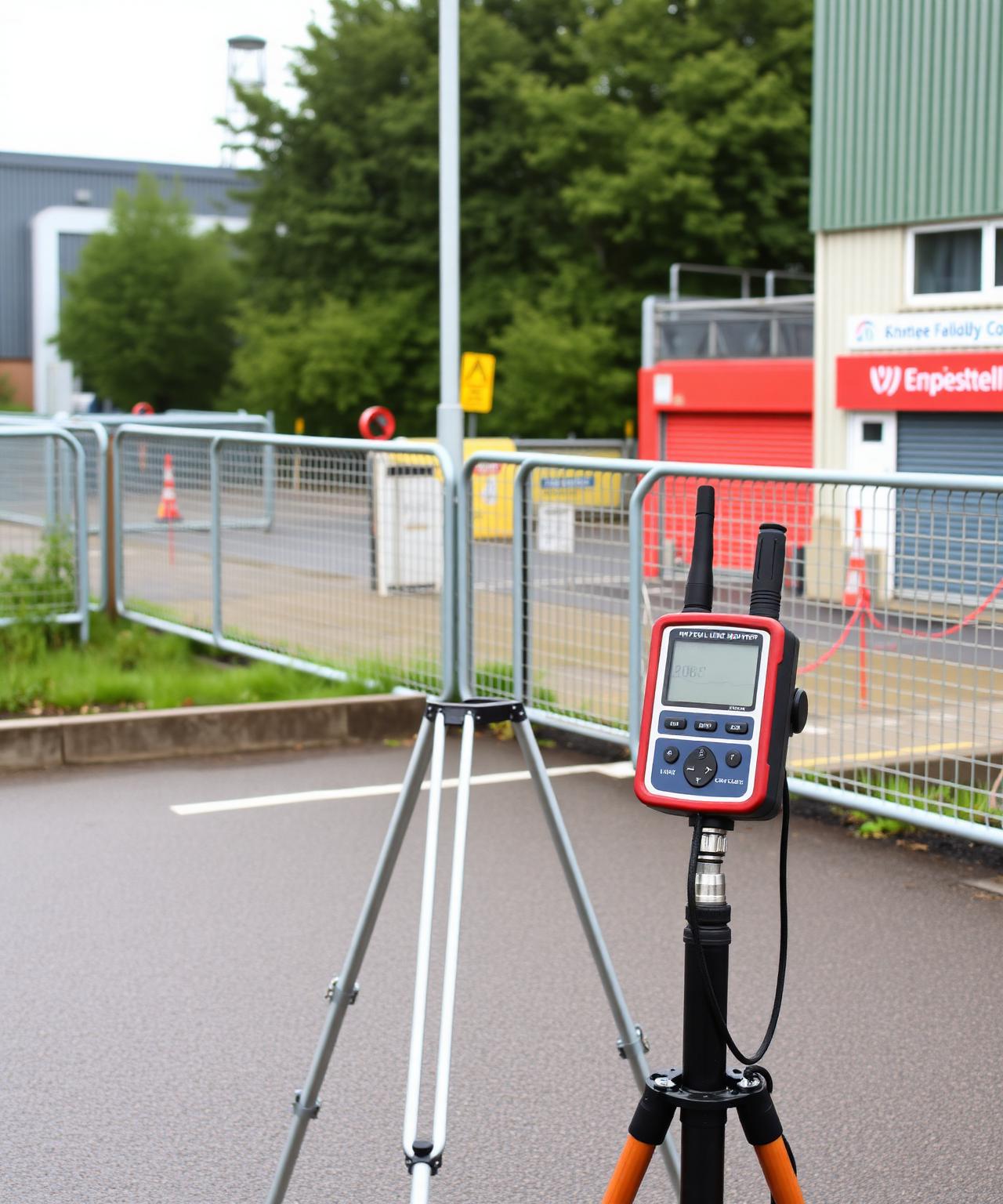
Environmental noise survey
Receptor monitoring
What it is
Measuring how a site sounds to the community
Environmental noise surveys measure noise emitted from commercial and industrial sites into the surrounding environment and at noise-sensitive receptors. They support planning applications, environmental permits, complaint investigations and structured noise management plans.
Where the central question is about industrial and commercial sound impact specifically, see BS 4142 noise surveys. Where site-boundary monitoring is the focus, see boundary noise assessment. This service is the wider environmental survey activity that may include both.
Scope
What the survey covers
- Site emission characterisation
- Receptor monitoring at sensitive locations
- Daytime, evening and night periods
- BS 4142 rating where relevant
- Background and ambient sound
- Tonal, impulsive and intermittent character
- Comparison with planning criteria
- Recommendations and noise management plan input
Metrics
Quantities measured and reported
- LAeq (time-averaged level)
- LA90 (background)
- LAmax (short events)
- LCpeak where impulsive
- Octave-band spectra for tonal assessment
- BS 4142 rating level
- Reference and receptor positions
Process
How an environmental survey runs
- 1
Scoping
Receptor identification, framework selection (BS 4142, planning, permit), and identification of the periods to be assessed.
- 2
On-site monitoring
Calibrated outdoor measurement with windshield protection, at reference and receptor locations across representative periods.
- 3
Source attribution
Identification of site contribution against background and other community sources.
- 4
Assessment
Comparison against the relevant framework — BS 4142 rating, planning criteria, permit limits.
- 5
Reporting
Decision-ready report with measurements, assessment, conclusions and recommendations.
Use cases
Typical use cases
- Planning application support
- Environmental permit applications
- Complaint investigation
- Noise management plans
- Acquisition and due diligence
- Verification of installed mitigation
- Periodic review and re-assessment
Sources
Common commercial and industrial sources assessed
- HVAC, chillers and condensers
- Industrial extraction and ventilation
- Plant rooms and utility yards
- Compressors and generators
- Loading bays and reversing alarms
- Mobile plant on yards
- Production machinery audible externally
Deliverables
Reporting deliverables
- Method and instrumentation statement
- Calibration and traceability record
- Period-by-period measurement results
- Receptor-level assessment
- BS 4142 or planning framework output
- Mitigation recommendations
FAQ
Environmental noise surveys — frequently asked questions
What is an environmental noise survey?+
An environmental noise survey measures sound emitted by a commercial or industrial site into the surrounding environment, and the resulting sound at noise-sensitive locations. It supports planning, permitting, complaint investigation and the management of community noise exposure.
How is it different from a workplace noise survey?+
A workplace noise survey is about exposure of workers under CNWR 2005. An environmental noise survey is about emission to the surrounding community — different standards, different metrics, different daytime / evening / night periods and different acceptability frameworks.
Which standards apply?+
BS 4142 for industrial and commercial sound, BS 8233 for sound inside buildings, the World Health Organisation community noise guidelines and local planning guidance. The appropriate framework depends on what decision the survey is supporting.
What metrics are reported?+
LAeq for time-averaged level, LA90 for background, LAmax for short events and rating levels under BS 4142 where industrial and commercial sources are being assessed. Daytime, evening and night-time periods are reported separately.
Is the survey suitable for planning applications?+
Yes. Environmental noise surveys are widely used to support planning applications, environmental permit applications, complaint investigations and noise management plans. The exact scope depends on the receiving authority's expectations.
Where are measurements taken?+
At noise-sensitive receptor locations (typically residential boundaries) and at site reference points. Where boundary measurements are central to the question, see our dedicated boundary noise assessment service.